


Sanford Guide Antimicrobial
4.8166.00 Reviews
App Specs
- Version
- 7.2.6
- Updated On
- License
- Free
- Downloads
- 500,000+
- Developer
- Antimicrobial Therapy, Inc.
- Categories
- Medical
- Platform
- Android, iOS
Screenshots
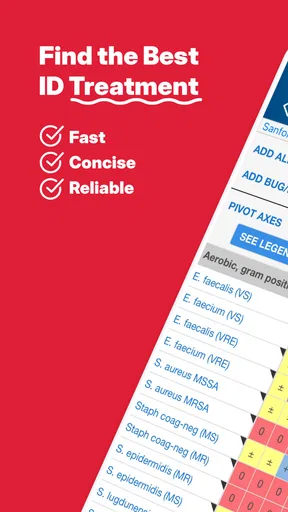
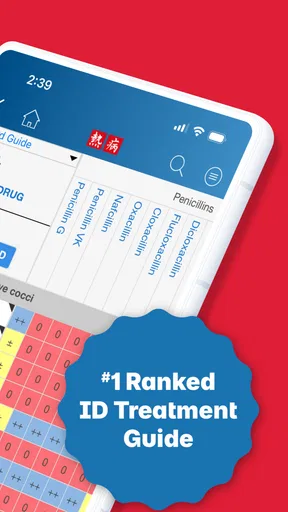
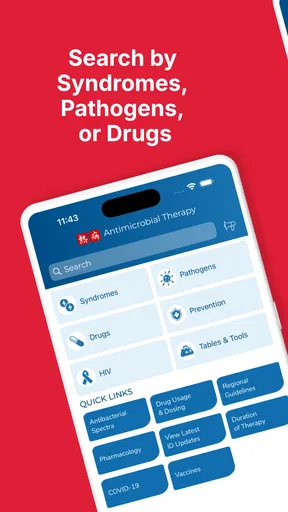
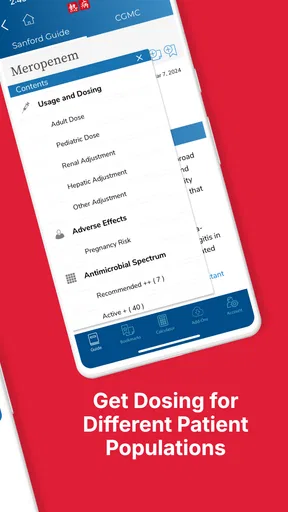

 Analysis by AppCompare
I’d choose Sanford Guide Antimicrobial based on one practical question: do I regularly need to look up infectious-disease treatment information as part of my work or study? If the answer is yes, a focused clinical reference can save time compared with searching the web or moving between broad medical resources. If I only want general health information, though, this is much more specialized than I need.
That distinction matters because an antimicrobial guide is a reference, not a substitute for clinical judgment. I see its best role as helping a trained reader locate relevant guidance and orient a decision—not making a diagnosis or choosing treatment without considering the patient, local protocols, and professional advice.
Who benefits most from a focused reference
I’d put clinicians, pharmacists, and healthcare trainees who deal with infection-related questions near the top of the audience list. It can also suit someone who wants a dedicated resource to consult during study or clinical preparation. The value rises with repeated use: a person who checks treatment topics often has more reason to learn the app’s structure than someone who opens it once in a while.
For students, the useful habit is to treat a recommendation as a starting point for understanding the reasoning and related topics, rather than memorizing a line in isolation. For experienced users, the benefit is different: a consistent reference can make it easier to check a focused question without starting a broad, unfocused search.
How it fits into a working day
Picture a clinician preparing for a discussion about an infection and wanting to review relevant treatment information before speaking with a colleague. A dedicated guide is more practical in that moment than scanning unrelated search results, especially when the reader already knows what topic to look up. I’d use it to prepare questions and check a reference, then bring the patient’s circumstances and local guidance into the decision.
A helpful workflow is to begin with the clinical question you actually have, rather than opening the app and browsing aimlessly. If the first result leads to related information, follow those links only when they answer a real question. That keeps a large reference library useful instead of turning a quick check into an unfocused reading session.
What to compare it with
The main alternatives are broad medical reference apps, institutional protocols, textbooks, and general web searches. A broad reference may make more sense if infectious diseases are only one of many subjects you need. A local protocol may be the better first stop when your workplace has a required pathway. A textbook can be stronger for sustained study, while a web search may be faster for a simple background question—but search results require careful source checking.
Worth Reading Before You Choose

EA SPORTS FC Mobile 26 Is a Bigger Football Game, but It Takes Time

Flipboard Shows What News Apps Must Do Beyond the Feed

Switching to Android Auto Means Rethinking Your Driving Routine

Google Calendar Makes a Crowded Week Easier to Manage

Ludo King Makes the Most of the Minutes Between Plans

Baby Panda World Brings Quick Play to Modern Phones, but Its Game Library Feels Busy
Sanford Guide Antimicrobial sits in the more specialized-reference lane. I’d favor that focus when I want an infection-related answer without wading through a general-purpose library. I would not treat it as a replacement for local policy, patient-specific assessment, or consultation when a case is uncertain. The best choice depends less on which resource has the most material and more on the question, setting, and reader.
Time, access, and the cost of changing habits
Even a useful reference has a learning curve. A new user may need a little time to understand how topics are arranged and which search terms work best. I’d spend a few minutes exploring the sections during a quiet moment rather than trying to learn the layout under pressure. Bookmarking genuinely frequent topics, where available, can make repeat checks smoother; a long, untidy bookmark list can have the opposite effect.
The app is free to install, but it includes in-app purchases, with listed items ranging from $4.99 to $79.99. I’d check what access or content an in-app purchase provides before relying on the app for a particular workflow. The price range makes it sensible to decide whether I need a one-off reference or regular use before committing to paid access. The app is rated for Everyone, but its medical subject matter is aimed at readers who can interpret clinical information responsibly.
Limits worth keeping in mind
Specialization is both the advantage and the trade-off. If I need broad medical coverage, patient-friendly explanations, or a formal local protocol, another resource may fit better. Dense clinical material can also slow down a beginner, and no reference should be used as the sole basis for a treatment decision. I’d keep the app in a supporting role and verify that its guidance fits the patient and setting.
It is also worth thinking about how you plan to use it before depending on any mobile reference. If a question concerns an urgent or complicated case, looking up information should not delay appropriate care or a conversation with a qualified colleague. For study, the app can help direct further reading; for practice, it should sit alongside—not replace—professional standards and local procedures.
So, I recently got my hands on the Sanford Guide Antimicrobial app, and let me tell you, it’s been quite the ride. If you’ve ever found yourself drowning in the sea of antibiotic options or just needed a reliable source for infectious disease information, this app might just become your new best friend. But let's dive into the nitty-gritty details, shall we?
First Impressions and User Experience
When I first opened the Sanford Guide Antimicrobial, I was greeted by a clean and intuitive interface. It's like the developers knew exactly what a busy healthcare professional needs—no fluff, just straight-up useful info. Navigating through the app is a breeze. The search function is fast and efficient, which is a godsend when you're on a tight schedule.
The app is neatly divided into sections, making it super easy to find what you're looking for. Whether it's treatment recommendations or specific pathogen information, it's all right at your fingertips. The layout is simple, yet comprehensive, and that's a hard balance to strike. I found myself quickly getting the hang of where everything was, which saved me a ton of time.
Comprehensive Content
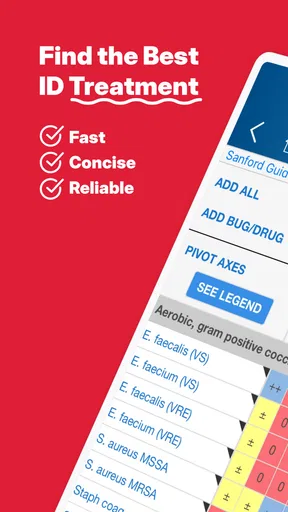
Now, let's talk about the real star of the show—the content. The app offers a treasure trove of information on antimicrobials, pathogens, and diseases. I was pleasantly surprised by the depth and breadth of content available. It's like having a mini-library in your pocket.
What's particularly impressive is the regular updates. The developers seem committed to keeping the information current, which is crucial in the ever-evolving field of infectious diseases. I noticed the app covers a wide range of topics, from common infections to more obscure conditions, ensuring you're well-prepared for any clinical scenario.
Customization and Features
One thing I absolutely loved was the ability to customize the app. You can bookmark frequently used guidelines, which is a massive time-saver. The app also offers offline access, which means you're never without your trusty guide, even in areas with spotty internet.
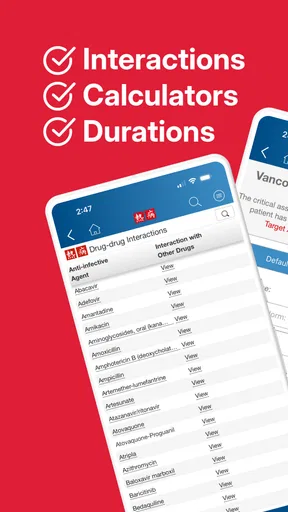
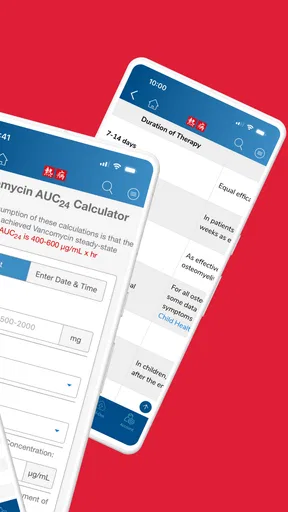
Another neat feature is the drug interaction checker. It’s incredibly detailed and provides peace of mind when prescribing multiple medications. This feature alone has saved me from potential headaches more than once.
Educational Value
For those still honing their skills or looking to expand their knowledge, the app doubles as a fantastic educational tool. The detailed explanations and references offer insights beyond just the basics. I found myself learning something new every time I used it, which is always a plus.
The app's content is also cross-referenced, which means you'll often be directed to related topics or further reading. It's a seamless way to deepen your understanding without feeling overwhelmed.
Drawbacks
No app is perfect, and the Sanford Guide Antimicrobial is no exception. While the interface is generally easy to use, there are moments when the sheer volume of information can feel a bit daunting. New users might find it takes a bit of time to get used to the app's full potential.
Additionally, while the app is a treasure trove of information, it comes with a price. It's not the cheapest option out there, but considering the quality and quantity of content, I’d say it’s worth every penny for those who need this level of detail.
Final Thoughts
All in all, the Sanford Guide Antimicrobial app is a powerhouse in the world of infectious disease resources. It’s packed with features that are incredibly useful for both seasoned professionals and those still in training. Despite a few minor drawbacks, it’s a must-have for anyone working in healthcare.
If you're on the fence about investing in this app, I'd say go for it. The combination of up-to-date information, user-friendly features, and the sheer depth of content makes it a standout choice. It’s like having a pocket-sized infectious disease expert with you at all times. Happy diagnosing!
A closer look at fit and trust
The app comes from Antimicrobial Therapy, Inc., and has a 4.8 average from around 4,500 ratings, with 167 written reviews. It has passed 500,000 installs and is currently at version 7.1.3; it first appeared on August 4, 2014. Those figures suggest an established audience, but I would still judge it by whether its reference style suits my own work. Popularity is reassuring context, not proof that any recommendation applies to a particular patient.
One practical point is device compatibility: it requires operating system version 9 or later. Before building it into a routine, I’d check that the device I actually carry meets that requirement and that the app opens reliably where I expect to use it. That small check can prevent an unpleasant surprise when a reference is needed away from a desk.
Making searches more useful
For a less obvious but valuable habit, I’d search with the clinical subject I already have in mind, then pause to confirm that the result matches the question—not merely a similar word. In an antimicrobial reference, a close match can still lead to the wrong context. Reading surrounding notes and following relevant cross-references is usually more responsible than lifting one isolated recommendation.
I would also keep bookmarks selective. Save only the topics I genuinely return to, and revisit the list when it stops helping. This turns the feature into a short personal index rather than a second, messier table of contents. For trainees, a bookmark can be a reminder to review a topic later; it should not become a substitute for learning why the guidance is relevant.
Offline availability is especially useful when connectivity is unreliable, but I would not assume that being able to open a saved reference settles every question about current guidance. Before an important decision, check the displayed material and follow the appropriate local process. The convenience of access is real; it does not remove the need to judge relevance or currency.
Who should pass, and who should start small
I would skip this app if I were looking for a simple symptom checker, general wellness advice, or an easy explanation written for patients. Its subject is specialized, and the value depends on having enough background to interpret clinical material. Someone who needs a broad all-purpose medical library may also prefer a resource that covers more specialties in one place.
If I were unsure how often I would use it, I’d begin with the free installation and explore the available sections before paying for anything. In-app purchases range from $4.99 to $79.99 per item, so I would inspect the purchase options and confirm what each one covers rather than assuming that every feature or reference is included automatically. That is a more sensible approach than paying on the strength of a quick first impression.
My recommendation
My recommendation is strongest for healthcare professionals and learners who repeatedly need a dedicated infectious-disease reference and are willing to use it alongside their clinical judgment. Its focused subject matter, searchable organization, bookmarks, offline access, interaction checking, and cross-referenced reading make it more useful than a casual web search for recurring, specific questions.
I would not call it essential for every healthcare worker, and I would not recommend it as a treatment decision-maker in its own right. If your needs are occasional, broad, or patient-facing, a local protocol, textbook, or general reference may be a better first choice. But if infectious-disease questions are a regular part of your day, I think this app is worth trying and evaluating against the way you actually work. Use it as a focused companion, not a substitute for clinical judgment.
Pros
- Comprehensive database of antimicrobial information.
- Regular updates ensure current medical standards.
- User-friendly interface with quick search feature.
- Offline access for use without internet connection.
- Customizable bookmarks for frequently used info.
Cons
- Subscription required for full content access.
- Interface may be overwhelming for new users.
- Limited to antimicrobial information only.
- Occasional slow performance on older devices.
- No integration with other medical apps.
FAQs for Sanford Guide Antimicrobial
What is the Sanford Guide Antimicrobial app used for?
The Sanford Guide Antimicrobial app is a comprehensive resource for healthcare professionals, providing up-to-date information on antimicrobial therapy. It includes treatment recommendations, dosing guidelines, and pathogen-specific data to aid in the treatment of infectious diseases. This app is essential for clinicians who need quick and reliable information at their fingertips.
Is the Sanford Guide Antimicrobial app available for both Android and iOS?
Yes, the Sanford Guide Antimicrobial app is available for download on both Android and iOS platforms. Users can find it in the Google Play Store for Android devices and the Apple App Store for iOS devices. Ensure your device meets the app’s system requirements for optimal performance.
Does the Sanford Guide Antimicrobial app require a subscription?
The app does require a subscription to access its full range of features. While some basic information might be available for free, a subscription provides comprehensive access to the latest updates, guidelines, and detailed pathogen data. Subscription options are available within the app, offering various plans to suit different needs.
How frequently is the information in the Sanford Guide Antimicrobial app updated?
The Sanford Guide Antimicrobial app is regularly updated to ensure that users have access to the latest medical guidelines and research. Updates typically include new treatment recommendations, emerging pathogen data, and changes in antimicrobial resistance patterns. This ensures that healthcare professionals always have current information.
Can the Sanford Guide Antimicrobial app be used offline?
Yes, the app can be used offline, which is particularly beneficial for healthcare professionals working in areas with limited internet connectivity. Once the data is downloaded, users can access the necessary information without an internet connection, ensuring they always have vital resources at hand.


